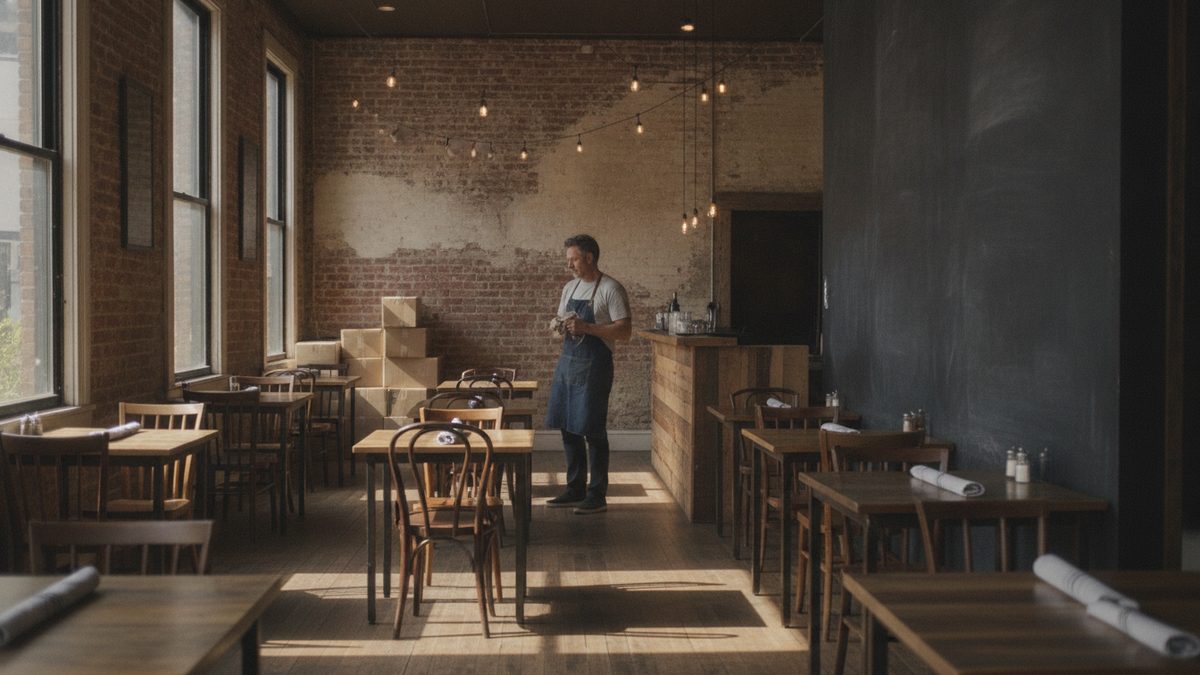
To open a pop-up restaurant, borrow a licensed space (a bar, a café on off-hours, a commissary or a shop), confirm the permits that apply to temporary food service in your city, build a short menu you can execute with a tiny crew, sell tickets or take pre-orders, and track every cost so you know what a permanent location would really earn. Most pop-ups can launch in four to eight weeks for a fraction of the cost of a lease.
A pop-up is the cheapest research you can buy. You learn whether strangers will pay your prices, how fast your kitchen really is, and which dishes sell, all before you sign a five-year lease. If you are still weighing a full build-out, read how much it costs to open a restaurant to see what you are avoiding.
Pick the right host space
The host space decides your permits, your equipment and your audience. Common options:
| Host type | Typical deal | Best for |
|---|---|---|
| Bar or brewery with no kitchen | Flat fee or 10-15% of sales | Limited bar-food menus |
| Café closed in the evening | Rent per night plus utilities | Dinners and tasting menus |
| Shared commissary kitchen | Hourly rate | Pre-orders and takeout |
| Retail store or gallery | Revenue share | Brunch, dessert, events |
| Existing restaurant on a slow day | Split of profit | Chef collaborations |
Ask each host for their insurance certificate, health permit and any rules about alcohol, noise and hours. Get the deal in writing, including who pays for breakage, trash and dish machine chemicals.
Sort out permits before you sell a ticket
Rules vary a lot by city and state, so call your health department first. Ask these questions:
- Does the host's permit cover a guest operator, or do I need a temporary food event permit?
- Do I need a food handler card for everyone and a certified manager on site? See how to get a food manager certification.
- Can I serve alcohol, or must the host's license do it? Review how to get a liquor license.
- What sales tax registration do I need for a short run?
- What liability insurance does the host require from me?
Do not skip this step. A shut-down night costs you the food you bought, the ticket refunds and your reputation.
Build a menu that fits a borrowed kitchen
You will have limited burners, limited cold storage and limited prep time. Design around those limits:
- Offer three to five dishes, with one vegetarian option.
- Prep as much as possible at a licensed kitchen the day before.
- Choose items that hold well and finish in under five minutes.
- Cost every plate and aim for a food cost near 30%. Use how to cost out a recipe to do it right.
- Price with a cushion, because small purchase volumes mean you pay higher ingredient prices.
A fixed-price menu simplifies everything: you know the headcount, the food order and the revenue before doors open.
Budget the event
Use the free worksheet from the opening budget guide, or work from this sample for a 40-seat dinner:
| Line item | Estimate |
|---|---|
| Ingredients (30% of $2,800 sales) | $840 |
| Host fee (12% of sales) | $336 |
| Two cooks and two servers | $600 |
| Rentals, linens, small equipment | $250 |
| Marketing and ticketing fees | $150 |
| Insurance and permit | $120 |
| Total cost | $2,296 |
| Profit | $504 |
Notice the profit is thin on one night. A pop-up is for proof, not for riches. Run four nights before you judge the numbers.
Sell tickets and promote it
Pre-selling tickets removes the biggest risk: an empty room. Sell through your website or a ticketing page, cap seats, and send a reminder 48 hours before. Announce on social media with real photos of the food, and ask the host to share with their list. Follow up afterward with every guest to build your email list.
Take payments and track results
You still need to ring in sales, split checks and report tax. A free system like Cobblestone POS works on a tablet with no monthly fee, so you can run a one-night event without paying Toast-level subscription costs of $470 or more a month. Its reports show best-selling items and average check, which is exactly the data you need to build a permanent concept.
Decide what the pop-up proved
After each night, record covers, revenue, food cost, labor hours, speed of service and guest feedback. If you hit your target margins and sell out repeatedly, move on to building your financial projections and a business plan. If not, adjust the menu and run it again. Either answer saves you money.
Takeaway: A pop-up lets you test your concept, pricing and crew for a few thousand dollars instead of a few hundred thousand. Get permits first, keep the menu small, pre-sell seats and track every number.